
For everyone

LIVE WELL. BREATHE WELL.

Small everyday choices that support your overall health and respiratory wellbeing.

A bowl of vegetables, fruit, salmon and grains with a glass of water

01

Eat well, support your body

No individual food, juice, supplement or vitamin has been proven to cleanse the lungs or prevent or cure COPD.

  • Choose a variety of vegetables, fruits, legumes and whole grains. WHO recommends at least 400 g of fruit and vegetables daily for adults and children older than 10 years.
  • Include suitable protein sources: fish, eggs, poultry, beans or lentils. Prefer unsaturated fats such as olive oil and nuts over trans fats.
  • Limit excess salt, free sugars and highly processed foods.

Why it matters

Good nutrition supports general health, energy and muscle function, including the muscles used for breathing.


A woman walking along a sunny seaside promenade

02

Keep moving, breathe better

Regular physical activity supports general health and the ability to manage daily activities. The right amount and intensity depend on your ability.

  • Walk and move regularly. If you are inactive, start gradually and increase activity as tolerated. Break up long periods of sitting.
  • WHO advises adults to aim for at least 150 minutes of moderate-intensity activity weekly, with muscle-strengthening activities on at least 2 days. This is a general goal, not a starting prescription for everyone.
  • If you have significant breathlessness, chest pain, dizziness or known heart or lung disease, seek clinical advice before starting a new exercise programme.

Why it matters

Activity helps maintain muscle strength and functional capacity. It does not cure COPD or reverse lung damage.

A bright room with an open window and curtains moving in fresh air

03

Protect your air

Avoiding tobacco smoke and harmful airborne exposures is among the most important ways to protect respiratory health.

  • Stop smoking and avoid restarting; ask a healthcare professional about cessation support. Avoid secondhand smoke and shisha/waterpipe smoke—waterpipe is not a safe alternative to cigarettes.
  • Reduce workplace dust, fumes and chemical vapours. Follow occupational safety guidance and use appropriate respiratory protection when indicated.
  • Improve ventilation when cooking and avoid indoor smoke where possible. Check air quality and reduce outdoor exertion during severe pollution or sandstorms when feasible.

Why it matters

Reducing harmful exposures limits the smoke and irritants reaching your airways and lungs.

A woman with her hand on her chest, breathing calmly

04

Know the signs

Persistent respiratory symptoms can have several causes. They do not automatically mean COPD, but they deserve attention.

  • Do not ignore a persistent cough, regular sputum/phlegm, or breathlessness during activities you previously managed comfortably.
  • Recurrent wheezing or chest infections also merit attention. If symptoms are persistent, unexplained or worsening, arrange a medical assessment.
  • For severe or sudden breathing difficulty, severe chest pain, fainting or blue lips, seek urgent medical care.

Why it matters

A clinical assessment can identify the cause and guide appropriate care. A questionnaire cannot rule out respiratory disease.

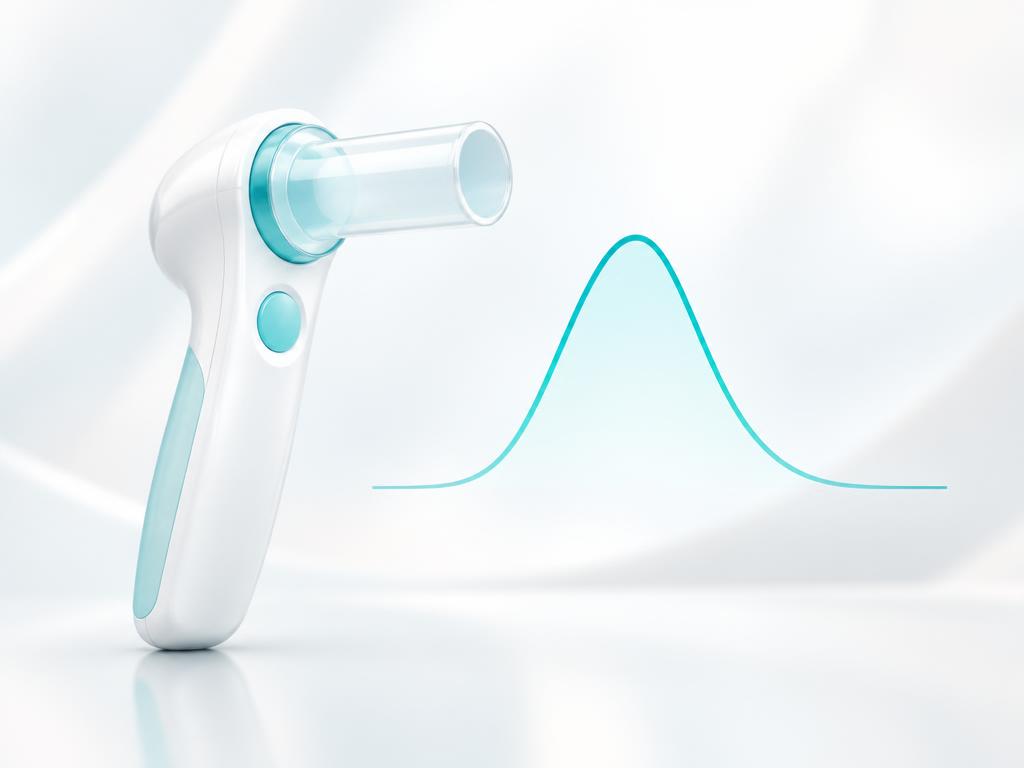
A handheld spirometer with a mouthpiece

05

Understand spirometry

Spirometry is a breathing test that measures how much air you can forcefully exhale and how quickly.

  • FVC is the total volume forcefully exhaled after a full breath in. FEV1 is the volume exhaled in the first second. The FEV1/FVC ratio helps identify airflow obstruction.
  • A COPD diagnosis needs appropriate clinical assessment and confirmation of persistent airflow obstruction using spirometry after a bronchodilator (a medicine that opens the airways).
  • Targeted case-finding is appropriate for relevant symptoms and/or risk factors. Routine COPD testing is not recommended for all asymptomatic people without significant risks.

Why it matters

The test provides objective information that a questionnaire cannot. A reassuring questionnaire result does not guarantee the absence of respiratory disease.

This experience is not a medical diagnosis. A reassuring result does not exclude COPD or other respiratory conditions.